


Diamond Bur Shapes Explained: Choosing the Right Bur for the Procedure
Why Diamond Bur Shape Matters
As Global Surgical expands its endodontic offering, we’re continuing to look beyond visualization alone and at the instruments clinicians...
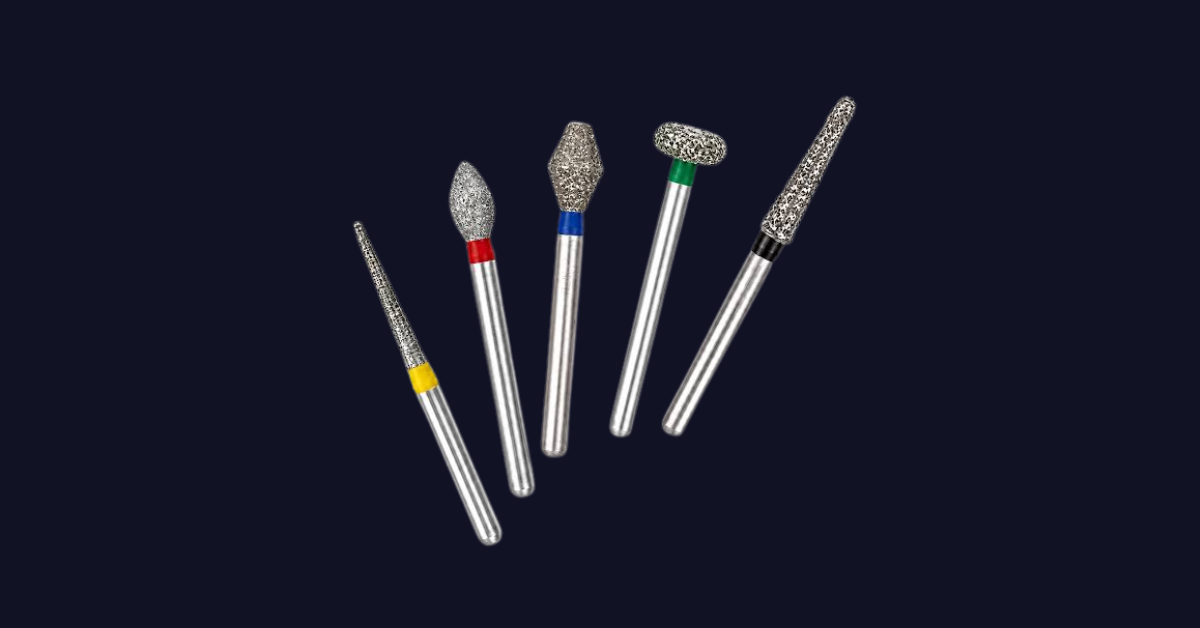
As Global Surgical expands its endodontic offering, we’re continuing to look beyond visualization alone and at the instruments clinicians...
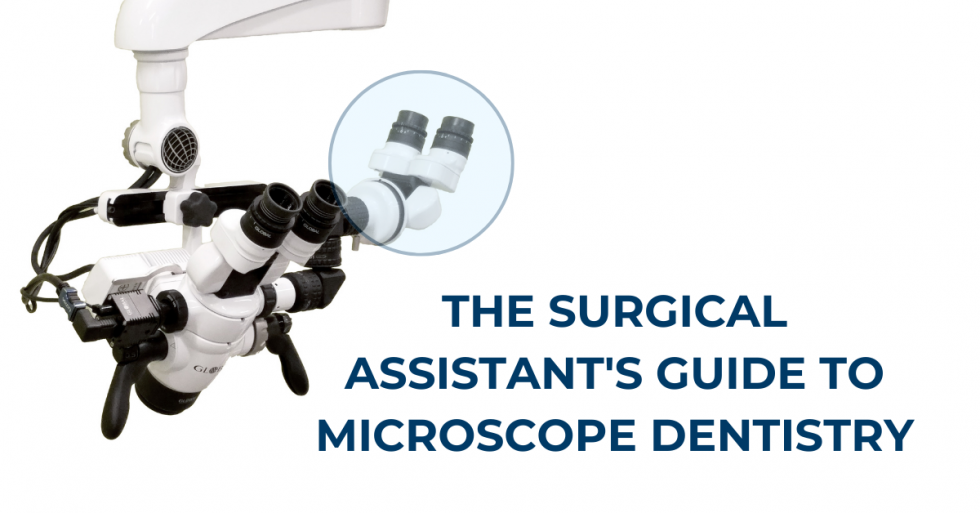
So, your practice recently purchased or is now considering a dental microscope. As a surgical assistant, this could be a revolution in how you and your surgeon diagnose, create treatment plans, conduct procedures, review post-op and even more. Plus, it could improve your communication during operations, as you both now have the ability to see into the oral cavity at the same time, at higher magnification levels.
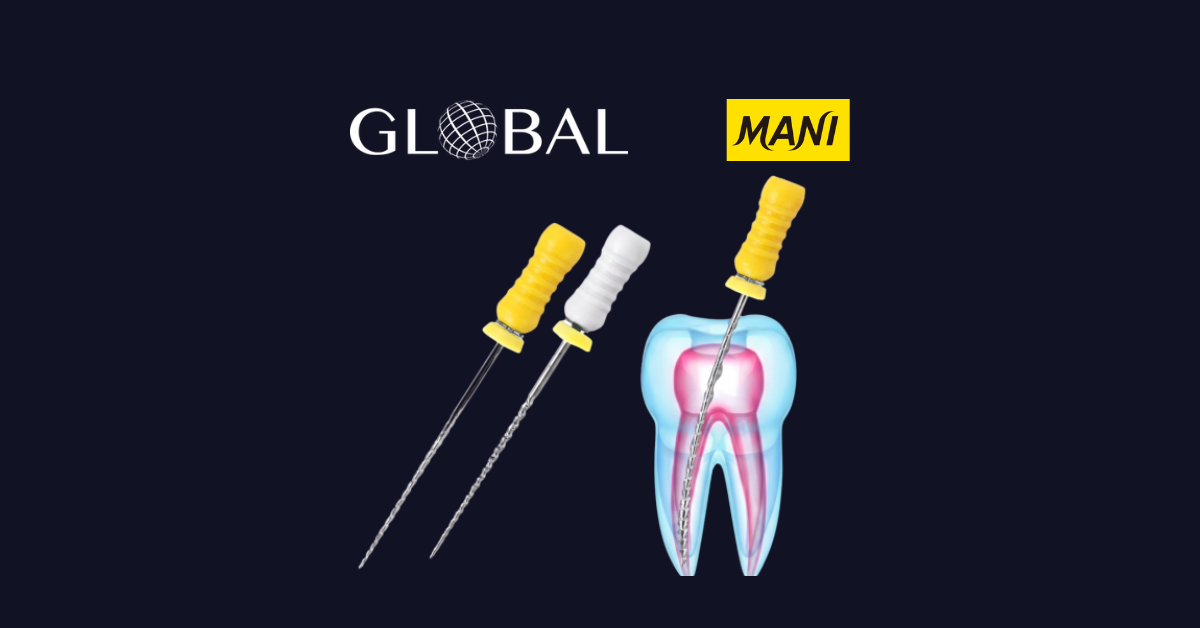
As Global Surgical expands its endodontic offering, we’re taking a closer look at the instruments clinicians use under...
.png)
Over the past few months, Global Surgical has been expanding the conversation around endodontic precision beyond magnification alone. Seeing clearly through the microscope is essential, but the instruments used under that magnification are just as important to the workflow.
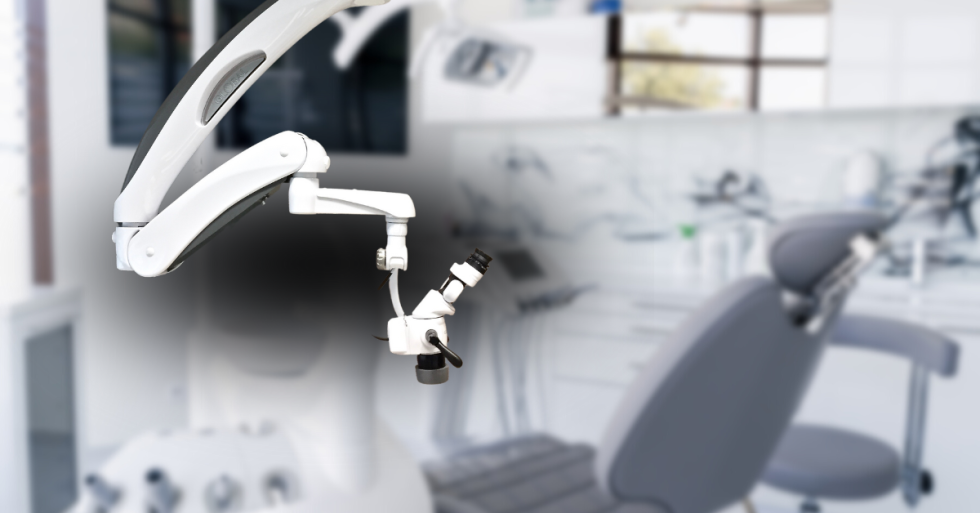
If you’re hearing more about dental microscopes from colleagues and online forums, it’s possible you’ve started considering if this magnification tool is right for you and your practice. Originally most commonly adopted by endodontists and other specialists, dental microscopes rose to prominence over 25 years ago. So why are you hearing more about this technology now than ever before?
.png)
At Global Surgical, our connection to endodontics has traditionally centered around helping clinicians see more through magnification and visualization. As we expand our endodontic product offering, we're also taking a closer look at the instruments clinicians use under the microscope—from access burs to hand and rotary files.
.png)
For more than 30 years, Global Surgical has helped endodontists see more during treatment through enhanced magnification and visualization. But what happens under the microscope is just as important as what you can see through it.
.png)
Magnification is making big waves in dentistry. Over 25 years ago, dental microscopy was still an emerging technology, primarily associated with assisting endodontic procedures such as root canals. Today, more and more general practitioners are “seeing” the benefits of a dental microscope in their practice, both for clinical and ergonomic purposes as well as significant visual enhancements for restorative cases and other detailed procedures.
.png)
For more than 30 years, Global Surgical has been closely connected to endodontics through dental microscopy, helping clinicians improve visualization, ergonomics, and precision during treatment.

In your work, precision is not just a necessity—it's the standard. The introduction of microscopes into the dental and ENT fields has revolutionized the way practitioners approach diagnosis and treatment, offering an unprecedented level of detail that was once beyond reach.
Central to the utility of these powerful tools is their ability to magnify the treatment area. First time scope users will need to get comfortable understanding how to the steps of magnification on dental and ENT microscopes. Today, we're helping shorten your learning curve on a scope with an overview of magnification powers/steps and when to use in clinical practice.
.png?width=45&name=GLOBAL%20SOCIAL%20POSTS%20(76).png)
.png?width=45&name=Voxel%20Bios%20(9).png)
.png?width=45&name=SQUARE%20(600%20%C3%97%20600%20px).png)
.png?width=45&name=Untitled%20design%20(27).png)